

Education plays a role in shaping a student’s future. Every student possesses unique talents and challenges, and understanding these individual needs is vital for fostering growth and achievement.
To ensure that students reach their full potential, various forms of support are necessary, spanning academic assistance, emotional encouragement, and guidance in navigating future opportunities.
This article explores the elements of support that contribute to student success, including resources such as mentorship and external advisory services. These supports create an environment where students can thrive both academically and personally.
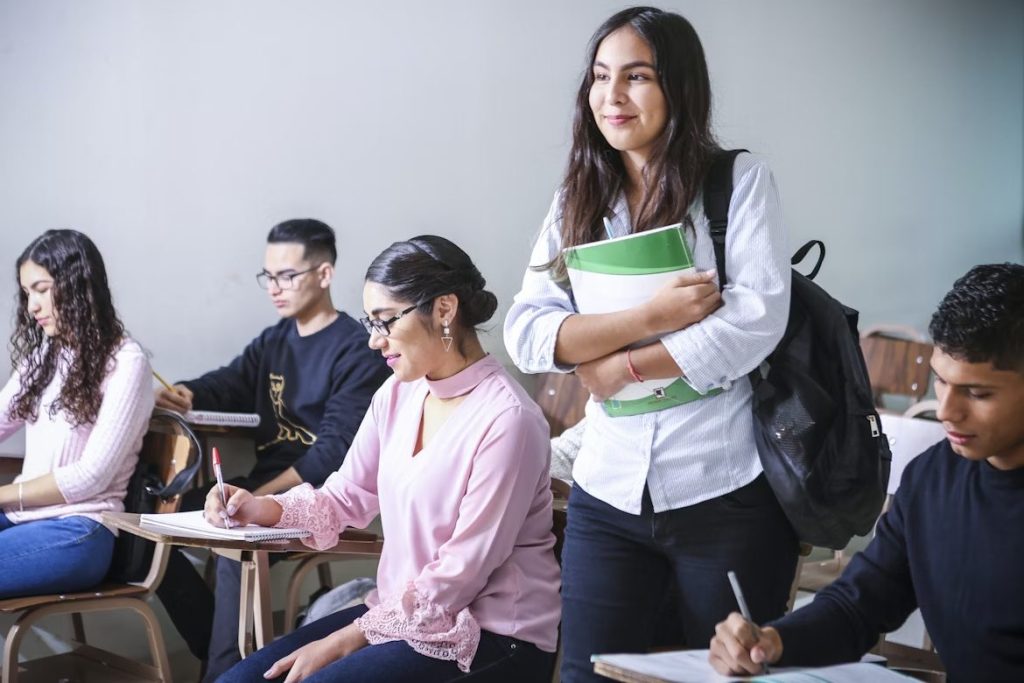
The Backbone of Student Success
Emotional support is a vital component of student success. Many students face anxiety, stress, and pressures that can impact their performance. Institutions can offer counseling services, peer support groups, and wellness programs to help manage these challenges.
Connecting students with mentors who have experienced similar issues can further alleviate feelings of isolation. Research indicates that students with strong emotional support systems tend to perform better, as they feel more secure and confident in their academic environment. Creating a culture of openness is critical for emotional support.
Schools should encourage discussions around mental health, so students can recognize signs of burnout or anxiety in themselves and others. Building resilience must be a priority, helping students develop coping strategies for academic pressures.
Tailored Learning Approaches
Every student learns differently. Academic support should not be one-size-fits-all; rather, it should cater to individual learning styles and needs. Providing access to tutoring and supplemental educational resources is vital, as it enables students to grasp difficult concepts at their own pace. Customized learning plans and programs ensure that each student’s learning is aligned with their strengths and challenges.
Technology plays a significant role here, as personalized online learning platforms can enhance traditional teaching methods. A college admissions consultant can play a pivotal role in this academic support system. By guiding students through the course selection process and offering insights into how they can strengthen their college applications, these consultants provide invaluable knowledge.
They help students stay focused on their long-term educational goals, making it important to include them as a part of a comprehensive support framework. Collaborative learning opportunities can further enhance a student’s academic growth.
Group projects, study circles, or peer tutoring programs promote teamwork and strengthen communication skills. Students benefit from engaging with others who share similar goals and challenges.
Extracurricular Activities
Extracurricular activities are vital for student development. These activities allow students to explore interests and talents outside the classroom while fostering social skills and teamwork. Whether it’s participating in sports, the debate club, or creative arts, these experiences contribute significantly to personal growth.
To further broaden their horizons, many students also turn to the Nibble app, which allows them to dive into new subjects like art history or science in a fun, gamified format outside of their standard curriculum.
Engaging in extracurricular pursuits can enhance a student's resume, showcasing leadership and commitment to various interests. Schools should encourage student participation in a wide range of activities.
This helps improve social connections and instills a sense of belonging and self-worth. Research shows that students involved in extracurricular activities display higher academic performance as they develop better time management and organizational skills. These benefits create a well-rounded individual capable of thriving in diverse environments.
Parental Involvement
Parental involvement is a powerful predictor of student achievement. When parents actively engage in their children’s education, outcomes improve significantly. Schools should create opportunities for parents to participate in their child's academic journey, fostering a collaborative approach to education.
Regular communication between teachers and parents is vital, ensuring that everyone is on the same wavelength regarding student progress. Programs that educate parents on how to support their children academically can make a huge difference as well.
Workshops on promoting study habits or understanding educational policies prepare parents to assist effectively. When parents are informed and involved, they can motivate students and reinforce the value of education, contributing positively to their academic success.
Building Collaborative Networks
Peer support plays a significant role in student success. Creating a supportive network among students contributes to a positive academic climate. Study groups and collaborative projects allow students to learn from one another, enhancing understanding and retention of the material.
Students often feel more comfortable asking questions and discussing challenges with their peers. Schools can encourage peer mentoring, where upperclassmen guide younger students.
This arrangement builds confidence in mentees and reinforces leadership traits in mentors. When students collaborate, they cultivate a sense of community, which helps them feel more engaged within their educational environment, reducing feelings of isolation or alienation.

Access to Resources
Access to educational resources is fundamental for student success. Schools should strive to provide equal opportunities for all students, regardless of their background. This means ensuring that everyone has access to the necessary tools, whether it is current technology, educational materials, or expert support.
Equity in education fosters a sense of fairness and belonging, allowing all students to excel without barriers. Developing partnerships with local businesses and organizations can enhance resource availability. Offering internships or community engagement opportunities provides students with real-world experience vital for future success.
Utilizing grants and funding can help support underserved communities, ensuring they have equal access to quality education. To facilitate a well-rounded educational experience, students need various forms of support.
Whether it be emotional, academic, extracurricular, or parental guidance, each element plays a critical role in helping students achieve their full potential. By implementing these supportive measures, schools can create environments where all students thrive.


 The Ultimate Digital Marketing Career Roadmap for Freshers