
Few organizations have more important stories — and more valuable lessons — than nonprofits. However, many organizations remain quiet about their incredible work, when they could (and should) be broadcasting it everywhere. Blogs? Rarely read. Emails? Piling up unread. Social posts? Gone in a flash, buried in the algorithm. Audio content rewrites the rules. It’s personal, flexible, and ridiculously good at creating genuine trust.
Bigger reach. Stronger volunteers. A mission that roars. Audio should be lighting up your radar screen right this second. Podcasts and other audio (lessons, interviews, talks) adapt to busy lives — listening in the car, on a jog, or while handling tasks in the kitchen. And unlike most content formats, people actually finish listening.
Let’s break down exactly how nonprofits can weaponize audio content to expand their educational reach.

Why audio is a nonprofit’s secret weapon
Attention is the hardest currency online. Audio earns it.
Reading long reports takes time people don’t have — audio works wherever they are. Stories told through voice hit differently than words on a page.
Audio can help you:
- Teach your supporters what your cause is really about;
- Teach and prepare volunteers from a distance;
- Share field stories that inspire action;
- Explain complex issues in simple language;
- Expand your reach beyond geographic boundaries.
And the barrier to entry? Lower than most organizations think.
Step 1: Launch a podcast with real educational impact
First things first — how can a nonprofit start a podcast without wasting time or money?
Work faster
Stop Typing and Start Speaking With Typeless
Typeless turns what you say into clean, formatted text in any app on Mac, Windows, Linux, iOS and Android, which it rates at 4x faster than typing. It strips filler words, keeps only your final phrasing when you change your mind mid-sentence, and works in 100+ languages. Emails, AI prompts, client messages and docs, done by voice.
Here’s a simple roadmap
1. Pick a clear educational mission
Don’t make your podcast a promotional monologue — make it a place where people actually learn something.
Examples:
- Environmental nonprofits → climate literacy
- Food banks → nutrition education
- Legal aid organizations → rights education
- Animal rescues → responsible pet ownership
Once you know what your podcast will teach, podcast hosting services help deliver those lessons to your audience.
2. Choose strong episode formats
Some proven formats for nonprofit podcasts:
- Expert interviews;
- Community stories;
- Myth-busting episodes;
- Short educational explainers;
- Volunteer spotlights.
If the “how do I even begin?” question is holding you back, tools like Spotify for Creators make podcast publishing and performance tracking surprisingly accessible.
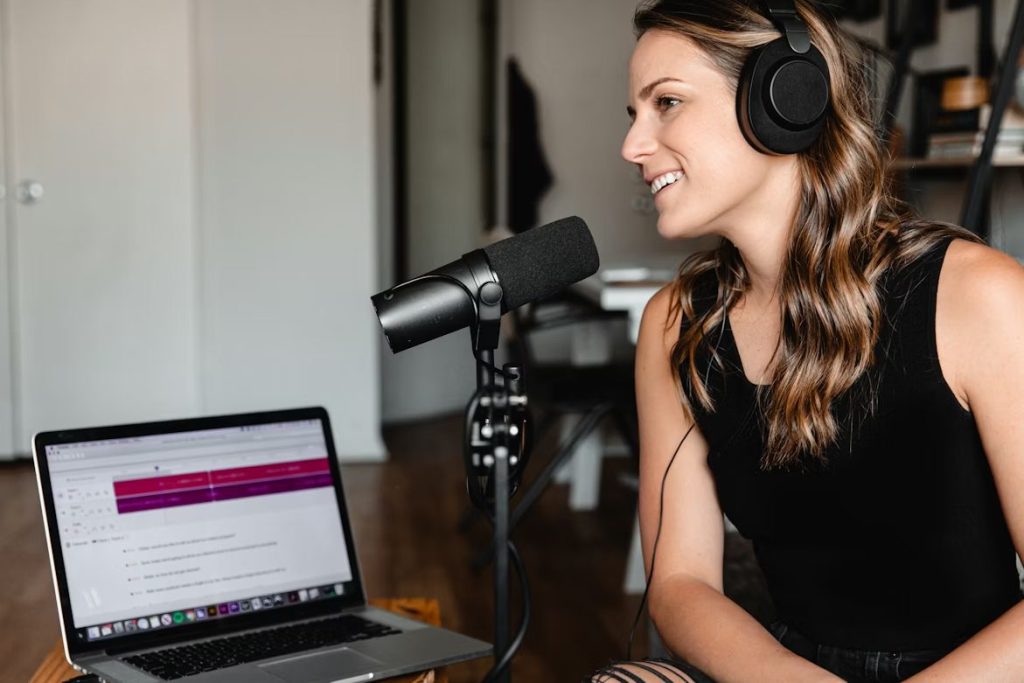
Step 2: Turn existing events into audio gold
Some nonprofits host amazing educational events… and then let the content disappear. Instead, record everything. That training workshop. That panel discussion. That community seminar. You can even run a webinar and later convert it into a podcast episode or audio lesson. Ultimately, one event can be turned into many things, like an audio course, social media clips, a podcast episode, and so on and so forth.
Step 3: Use audio for volunteer education
Volunteers are the backbone of most nonprofits, but training them can be difficult — especially if they’re spread across different cities.
Audio solves that problem. Instead of repeating the same orientation sessions, create a library of short educational audio episodes focused on nonprofit training topics like:
- How to communicate with beneficiaries;
- Ethical guidelines;
- Field safety;
- Cultural sensitivity;
- Storytelling and advocacy.
Volunteers can listen whenever they want. No scheduling headaches. Little by little, this kind of content helps build a strong volunteer community aligned around the same values.
Step 4: Make your audio content work harder
Smart nonprofits don’t create content once. They recycle it like crazy. Rev transcription makes it simple to convert your audio episodes into text and reuse them across different content formats.
And if your audio needs editing or formatting first, tools like Movavi Online Audio Converter can quickly convert files into podcast-ready formats. This strategy pushes your content marketing for nonprofits to the next level while saving valuable time.
Step 5: Push your audio content further with social media
A podcast without promotion is just content sitting in the dark. This is where using social media to support activities becomes critical.
Here’s how to do it effectively:
Share short audio highlights
Cut 30-second clips from your episodes featuring:
- Emotional stories;
- Surprising facts;
- Powerful quotes.
These become extremely good social media content because they’re quick to consume and easy to share.
Turn quotes into visual posts
A strong sentence from a podcast can become:
- Instagram graphics;
- LinkedIn posts;
- Twitter threads;
- Promote educational takeaways.
Instead of saying “New episode out,” highlight the learning value:
- “3 things volunteers should know about refugee support”
- “What animal shelters wish every adopter understood”
- “The biggest myth about homelessness”
It helps you reach people looking for insight, not just those who already know your organization.

Step 6: Tell real stories that humanize your cause
Facts educate. Stories motivate. Audio storytelling allows nonprofits to share real voices from the field.
Real stories make people feel the impact behind the mission. The moment someone hears a genuine story of a nonprofit saving or reshaping a life, it becomes permanently unforgettable.
In education and nonprofit contexts, story-driven podcasts frequently beat out standard formats. It boosts marketing for non profits while still putting the mission first.
Step 7: Create a content strategy you can sustain
Many nonprofits launch podcasts with big plans — and stop after just a handful of episodes. Instead, launch small and grow from there.
A manageable publishing plan could be:
- Two episodes per month;
- One educational interview;
- One storytelling episode.
Don't let a blank page slow you down — keep a running “bank” of content ideas, guests, lessons, and themes at all times. Keep at it, episode after episode, and you'll create a rich, professional-grade library of audio education that stands the test of time.
Step 8: Look past download counts
A podcast can’t be judged by listener numbers alone. For nonprofits, mission impact is the metric that actually matters.
Look at questions like:
- Are volunteers better prepared?
- Are supporters more informed about the issue?
- Are new donors discovering the organization?
- Are people sharing episodes with others?
When done well, podcasts become a multi-purpose engine for fundraising, advocacy, education, and community engagement.
The future of nonprofit education is audio
There was a time when education meant classrooms, workshops, and live events. That’s changed. A microphone and a clear message are enough for nonprofits to educate audiences across the globe through audio.
Podcasts can train volunteers. Audio lessons can educate communities. Stories have the power to inspire action. If your nonprofit wants real reach, don’t just write blog posts — speak directly into people’s ears.

Find Your AI Training Job
Chat with DigiNo Toucan and get matched to remote roles in one minute.

 The Top 4 Financial Perks of Becoming a Caribbean Resident