Commercial facilities are upgrading surface finishes using durable color formulations designed to withstand heavy wear and maintain long term structural appeal.
Managing a busy warehouse or manufacturing plant means you constantly fight concrete wear from heavy forklifts, pallet jacks, and foot traffic. High recurring maintenance costs eat away at your operating budget while your team balances safety guidelines with clean aesthetics.
Modern floor coloring technology gives your operation a smarter path forward. By shifting from standard topical sealers toward penetrating chemical colorants, you lock in long-term structural appeal while lowering regular upkeep expenses across every square foot.
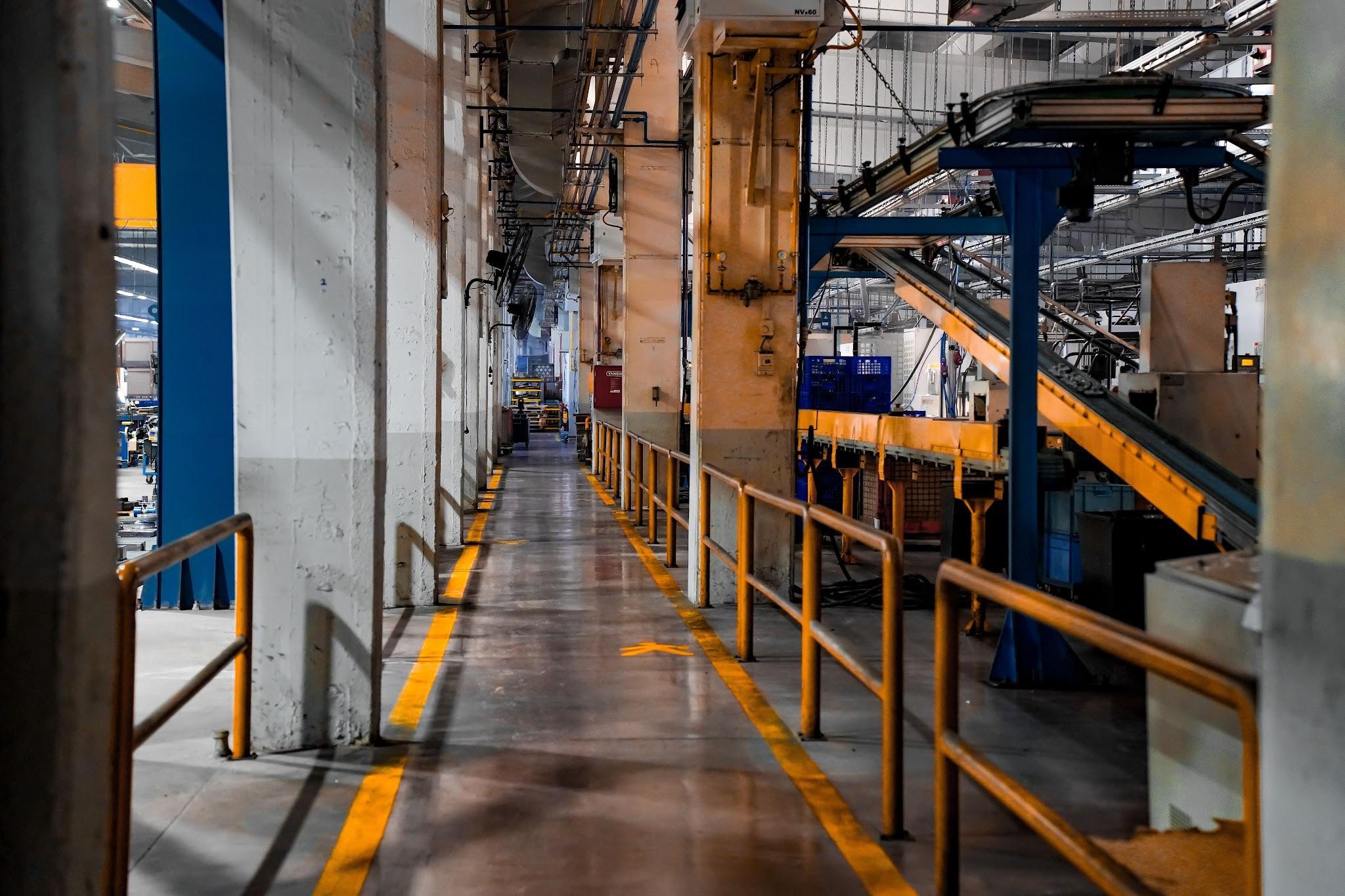
Why Are Facilities Moving Beyond Surface Coatings?
Topical epoxy coatings and paint systems form a protective film across the slab surface, but heavy traffic quickly chips those layers away. Once a steel-wheeled cart or loaded forklift scrapes that outer film, moisture and dirt slip underneath and cause widespread peeling.
Deeply penetrating chemical formulations solve this problem by sinking directly into the microscopic pores of your slab. Allied Market Research projects that commercial demand will push the global market for coloring agents toward $1.4 billion as logistics centers modernize their facilities. Because the pigment resides inside the concrete matrix rather than resting on top, surface abrasion never scrapes the color away.
How Deep Penetration Protects High-Traffic Aisles
Your concrete slab acts like a dense sponge filled with millions of microscopic channels. When your maintenance crew applies liquid color, capillary action pulls the pigments deep beneath the wear zone. Heavy equipment can grind across the concrete surface daily without creating the flaking pathways common with surface-bound paints.
Polished concrete works hand-in-hand with deep penetration techniques. Diamond grinding pads refine the surface before you lock the pigments down with a chemical densifier.
How Do Modern Color Systems Outperform Film Layers?
Surface films create an impermeable barrier that traps moisture vapor rising naturally from the sub-base beneath your slab. Trapped vapor creates hydrostatic pressure, which bubbles epoxy coatings until they pop and leave jagged holes. Penetrating stains and dyes eliminate this trap because they keep the slab breathable while preserving the color.
Your maintenance crew spends far less time stripping old materials when the floor color lives below the surface layer. Routine care shifts from aggressive chemical stripping to simple dust mopping and damp scrubbing with neutral cleaners.
Where Do Indoor And Outdoor Chemistry Requirements Diverge?
Your facility environment determines the exact binder chemistry and carrier liquid your team must select. When you specify industrial concrete dyes for indoor slabs, water-based or acetone-based carriers disperse pigment directly past the open cream layer without creating hazardous fumes. Exterior loading bays and staging aprons require completely different chemical bonds because relentless sunlight breaks down standard indoor pigments.
Selecting Safe Indoor Formulations
Indoor air quality stands as a top priority for facilities running 24-hour manufacturing shifts or food-handling operations. Market assessments from Verified Market Research reveal that water-borne dye systems continue to capture floor space because low-odor handling allows crews to work safely during active plant shifts. Water-based solutions contain virtually zero volatile organic compounds, so your workers breathe clean air while surface upgrades proceed.
What Makes Outdoor Slabs Require UV Stability?
Direct exposure to sunlight destroys unrated organic pigments through intense photo-oxidation. Outdoor staging yards, driveways, and equipment wash pads demand inorganic metal salts or UV-stable chemical stains that resist solar degradation. Acid-based stains react chemically with the free lime in your slab, creating permanent mineral deposits that sun exposure cannot bleach.
Outdoor slabs face weather extremes, freeze-thaw cycles, and pooling rain. Selecting color systems designed for outdoor exposure preserves the slab against moisture intrusion and seasonal cracking. You protect loading zones from premature weathering while maintaining crisp visual boundaries for delivery drivers.
How Do You Prepare Concrete For Maximum Chemical Adhesion?
Successful color application depends entirely on how well you prepare the concrete profile. Smooth, power-troweled slabs possess a dense surface skin that blocks liquid penetration and leaves loose color on top. You must open the concrete pores through mechanical diamond grinding or gentle chemical etching before any color touches the floor.
Mechanical Profiling Steps
Your crew can establish the ideal surface profile by following a disciplined sequence of mechanical grinding steps. Taking some precautions helps the liquid carriers sink rapidly past the surface:
- Remove old sealers: Grind away previous curing compounds and adhesives using aggressive 30-grit metal-bond diamonds.
- Inspect the porosity: Place water droplets across bare concrete to verify rapid absorption within 30 seconds.
- Vacuum all residue: Extract micro-dust with industrial HEPA units to prevent dry particulate from blocking open pores.
- Test sample patches: Apply diluted color on small corners to check absorption speed and final tone before full distribution.
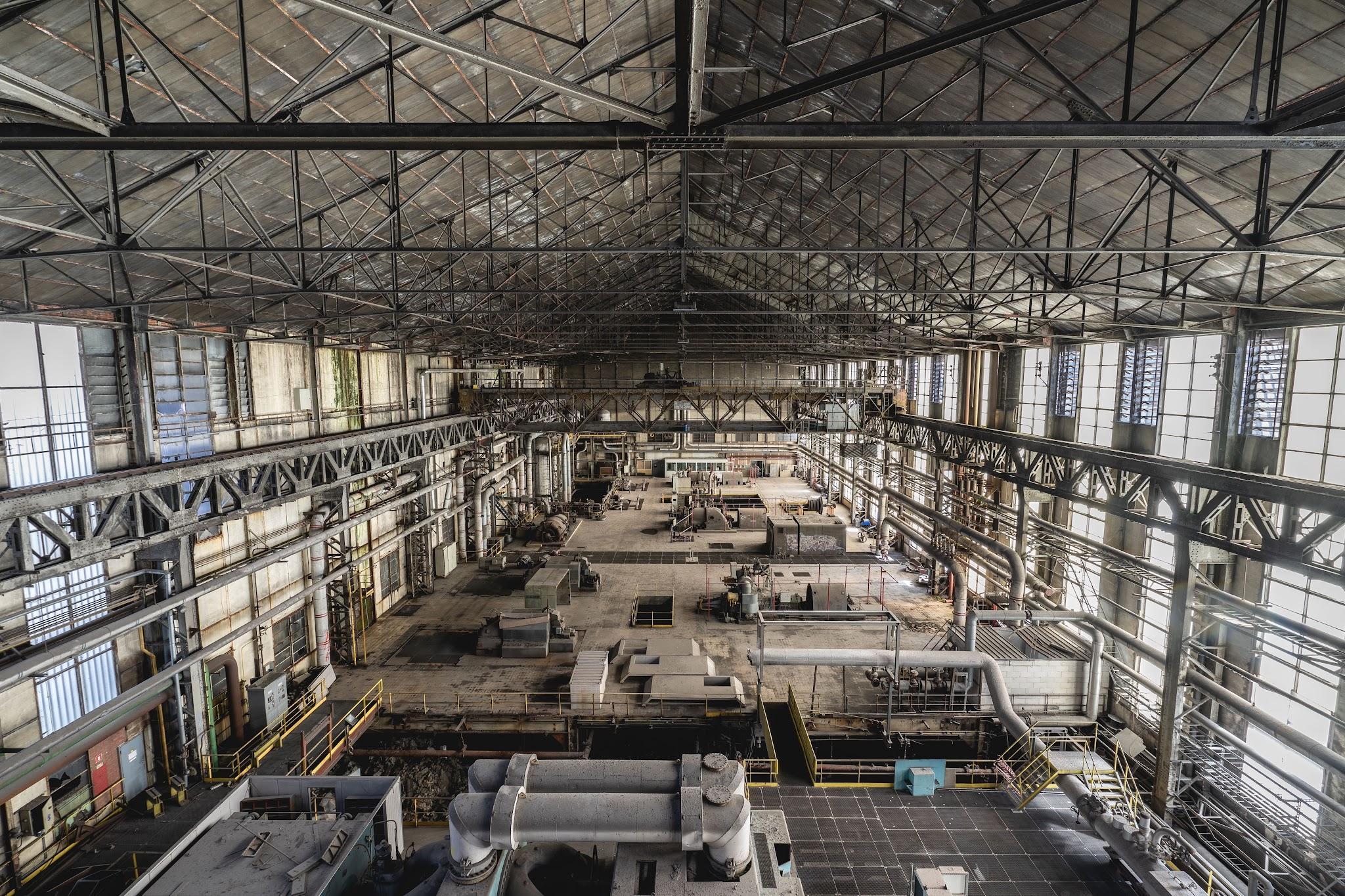
Keep Your Floor Maintenance Predictable Over Decades
Investing in high-performance penetrating color systems transforms how your team approaches ongoing facility maintenance. Instead of scheduling costly shutdowns to scrape and recoat peeling walkways, you protect your capital investment through routine scrubbing and periodic re-densifying. Your floors retain their rich color, resist heavy impact, and support steady operational safety year after year.
Professional-grade concrete staining gives your facility a durable foundation that stands up to punishment without continuous financial drain. By choosing penetrating chemistry suited to your specific indoor or outdoor environment, you create an attractive, safe, and resilient workspace. Your team gains a low-maintenance floor that protects your building budget and preserves structural integrity for decades to come.

 Why remote teams rely on specialized marketing agency partners