
As at-home photobiomodulation grows popular among remote workers, understanding red and near-infrared wavelengths and irradiance output helps buyers avoid underpowered devices.
Sitting at a desk all day and pushing through home workouts puts steady strain on your muscles, joints, and skin. You might look at at-home red light therapy panels to speed up recovery, while confusing technical labels make it hard to tell serious hardware apart from basic novelty lamps.
Learning how light specs actually work takes the guesswork out of your search. When you know what separates clinical-grade engineering from weak consumer bulbs, you can invest in a setup that fits your routine and delivers real results.
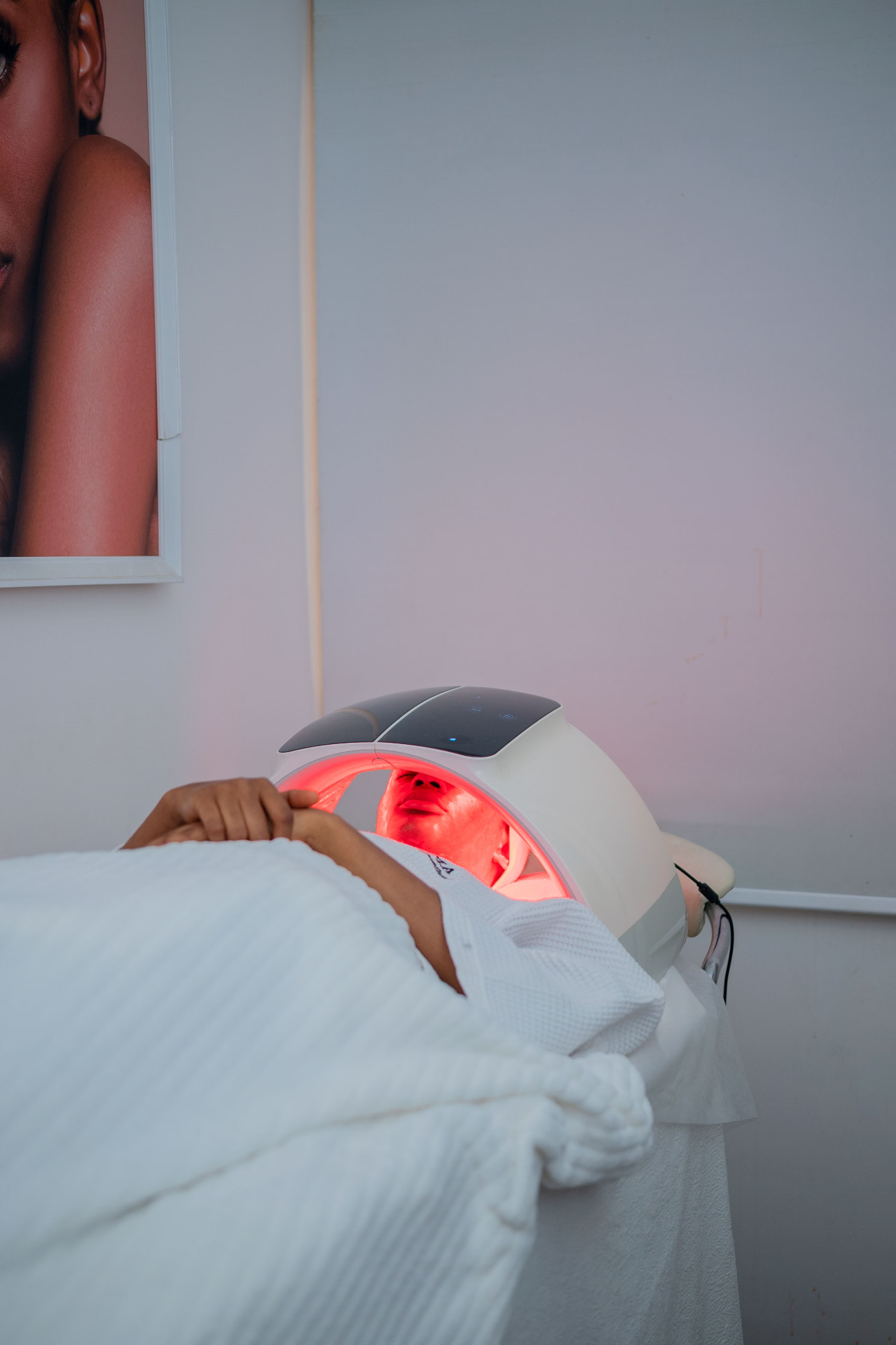
Why Do Red and Near-Infrared Wavelengths Target Different Tissues?
Light therapy works because specific nanometer wavelengths reach different depths beneath your skin. Visible red light in the 630-660nm range is absorbed near the surface, where your skin cells use that energy to support collagen and calm irritation. Research shared by the Cleveland Clinic notes that regular treatments can ease skin redness and soften fine lines while supporting hair follicles during active growth.
Near-infrared light in the 810-850nm+ range travels past the upper skin layers without leaving a visible glow. Those longer wavelengths reach deeper into stiff joints, tendons, and fatigued muscles after strength training or hours in an office chair. Clinical-grade panels combine both spectrums so you get surface skin renewal and deep tissue support during the same session.
How Do You Match Panel Sizes to Your Home Workspace?
Choosing the right physical footprint keeps your light habit convenient rather than cluttered. Tabletop units sit right next to your monitor for quick facial or targeted joint sessions between video calls. When you want broader coverage for sore shoulders or tired legs after training, you can see the full range of half-body and full-body panels to match your available floor space. Larger vertical arrays treat your entire torso or back in one standing session without requiring you to reposition your chair.
Your room layout determines which mounting style makes sense for daily use. Compact models tuck easily onto a bookshelf or desk corner, while tall panels hang on a bedroom door or rest on a wheeled floor stand.
What Makes Irradiance Power Density Critical for Session Times?
Wavelength numbers tell you where light goes, while irradiance measures how much energy actually reaches your body. Measured in milliwatts per square centimeter (mW/cm2), irradiance determines whether a session takes 10 minutes or 45 minutes to deliver a useful dose. Product testing from Fortune shows how measured power density drops with distance, recording 199 mW/cm2 at 6 inches compared to 172 mW/cm2 at 8 inches on a multi-wavelength compact panel.
Basic decorative lamps scatter weak light that loses punch just a few inches from the LEDs. High-output panels use focused beam angles and dense LED arrays to maintain strong irradiance at comfortable seating distances.
How Does Low-EMF Engineering Protect Your Daily Routine?
Sitting inches away from high-powered electronics every morning means electrical shielding matters just as much as brightness. Quality panels isolate internal power drivers and use grounded wiring to keep electromagnetic fields near zero at normal treatment distances. You can relax during a 10-minute session without worrying about unnecessary electrical exposure near your head or chest.
Flicker-free LED drivers make a noticeable difference when you use a panel in your workspace. Cheap power supplies create rapid, invisible strobing that can trigger eye strain or headaches during morning routines.
What Should You Verify Before Buying a Light Panel?
Marketing labels often exaggerate raw LED wattage, which measures wall power draw rather than light output reaching your skin. Reviewing verified engineering specs helps you separate reliable hardware from overpriced imitations.
Evaluating Spec Sheets
Use these checkpoints to compare technical claims across different brands:
- Verify dual-band wavelengths: Confirm the panel outputs both 630-660nm red light and 810-850nm near-infrared light.
- Check distance-based irradiance: Look for independent mW/cm2 measurements taken at 6 inches rather than surface contact.
- Confirm low-EMF shielding: Choose devices tested for minimal electromagnetic output and zero perceptible flicker.
- Inspect cooling and timers: Pick panels with quiet internal fans and built-in shutoff controls for safe daily use.
Reading Lab Reports
Ask brands for third-party spectrometer reports whenever spec sheets look vague. Independent lab charts show exact wavelength peaks and true power density across the entire face of the panel, not just the center bulb.
How Can Remote Workers Build a Consistent Light Habit?
Consistency drives better outcomes than marathon weekend sessions. Pairing your panel with an existing daily anchor turns light therapy into an effortless part of your schedule.
Morning desk check-ins offer a natural window for a 10-minute session while you review emails or drink coffee. Post-workout cooldowns provide another easy slot, letting near-infrared light soothe tight muscles right before you shower.
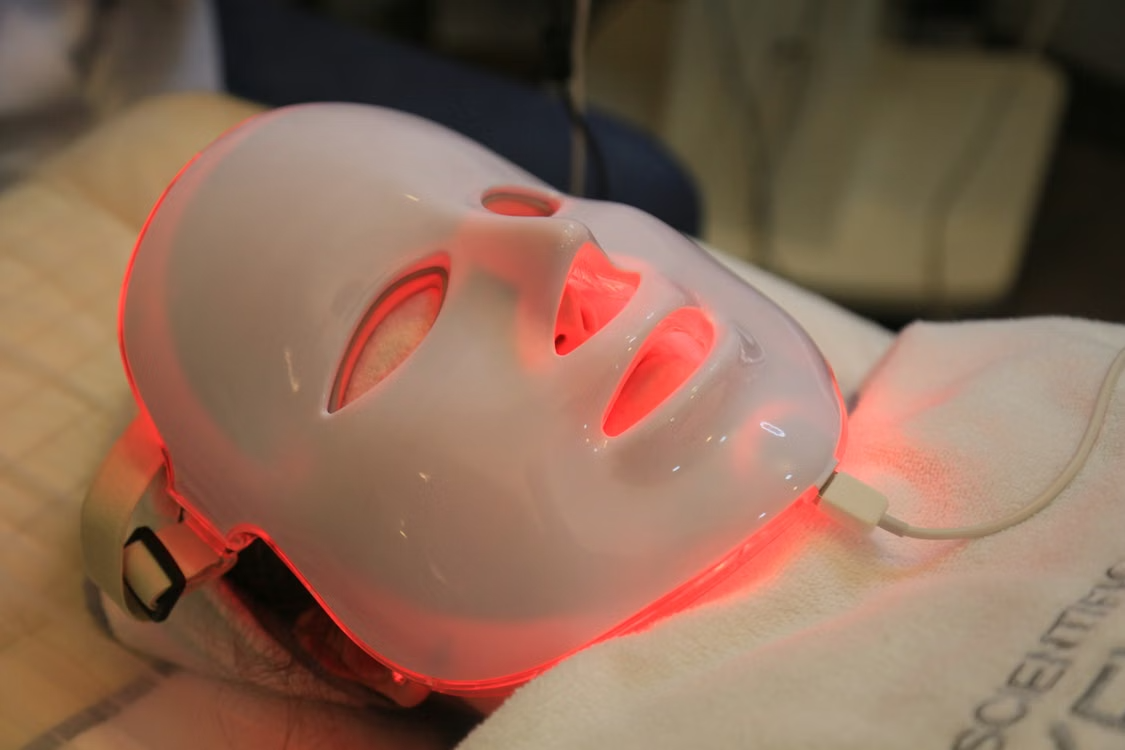
Checking verified wavelength spectra and real irradiance metrics helps you skip underpowered lamps and pick a recovery device built for your home space. When you match clinical-grade output to the right panel size, your daily light routine becomes simple, safe, and genuinely restorative.
